Description
This is the capacity that covers a modest heating load properly, which is more than most people expect from a tank this size.
It covers a modest central heating load with hot water, and a cooker on top of that in most cases.
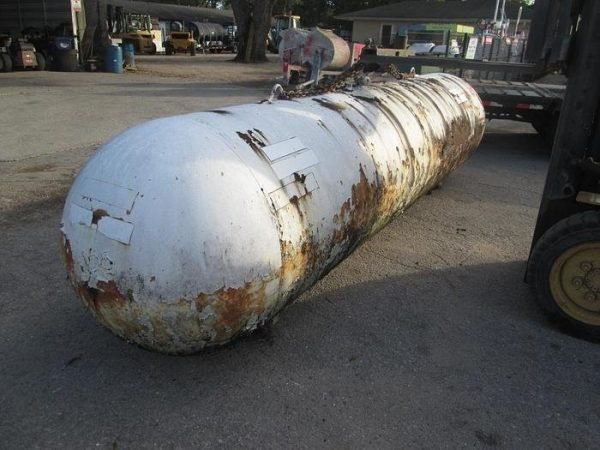
Filled to the 80% limit this vessel holds about 200 gallons of propane — roughly 18 million BTU, or about 848 lb of product. Against a steady 100,000 BTU/hr load that is roughly 8 days of continuous running before it needs refilling.
The next size down is 200 gallons and the next up is 320. Stepping up costs less than most people assume once freight is counted only once.
Specification
- Total capacity: 250 gallons
- Propane held at the 80% fill limit: approximately 200 gallons
- Product weight when full: approximately 848 lb
- Stored energy when full: approximately 18 million BTU
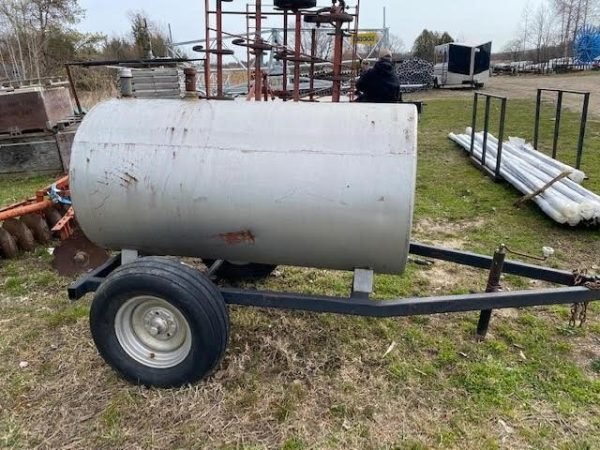
- Installation: Above ground
- Certification: ASME stamped
- Condition: Certified used — inspected and pressure tested
- Fuel: Propane / LPG
Siting and installation
Surface installation keeps the whole vessel inspectable. Coating faults, valve seepage and gauge problems are all visible before they become expensive, which is the main argument for staying above ground where the site allows it.
Installation is a licensed trade. We will get the vessel to your site on an insured carrier; setting, connecting and commissioning it is work for a qualified propane contractor.
Certification and paperwork
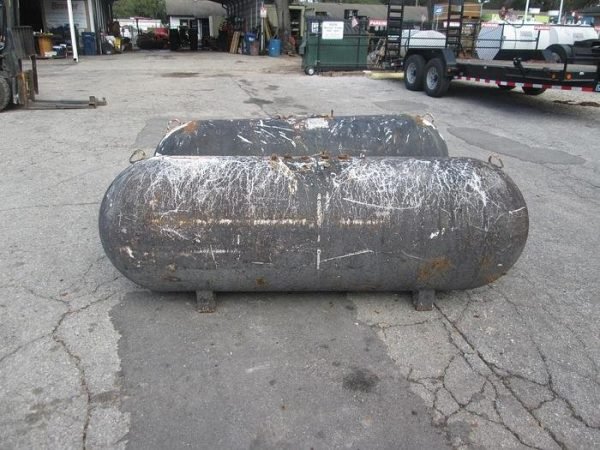
Sold as inspected and pressure tested. A used vessel is the same steel as a new one with a documented history attached, and the documentation is the reason to buy it with confidence. Expect honest cosmetic wear.
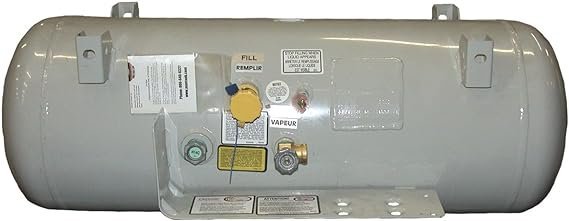
Fittings are verified before the vessel leaves the yard: relief valve condition, gauge operation, and clean threads on every connection.
Cost of ownership
Refill pricing rewards volume. A tank that takes a full delivery in one visit will always beat one that needs topping up twice.
Before you commit
Size against the real load, not the optimistic one. A vessel one size too small costs more across ten years of refills than the larger one did on the day you bought it.
Ask what the regulator and first-stage arrangement will be. The tank is only half the specification, and the wrong regulator will starve appliances the vessel could easily supply.