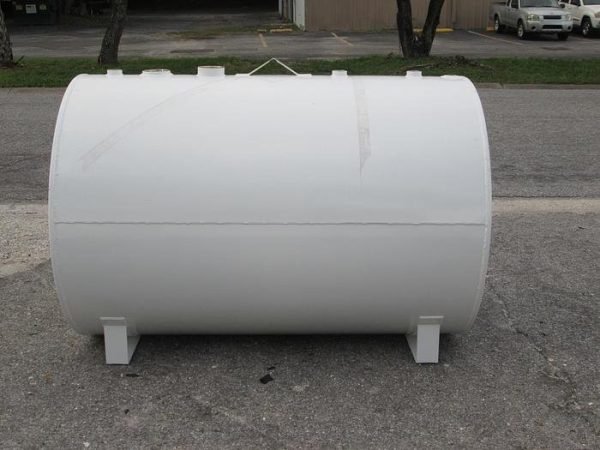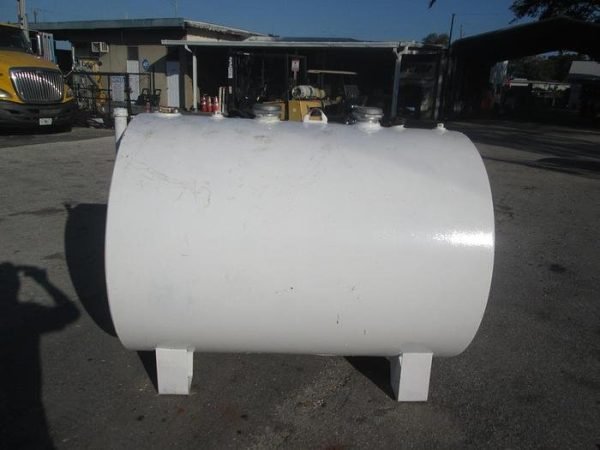
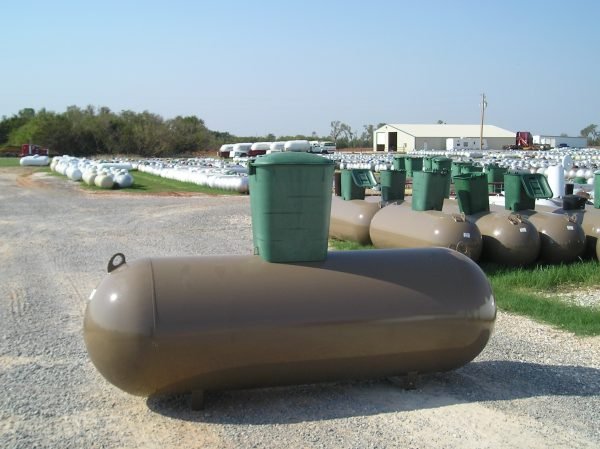
Description
Sized for properties and businesses whose load would empty a domestic tank inside a month of cold weather.
It supports several heavy appliances at once, or a seasonal process load that would flatten a domestic tank.
Filled to the 80% limit this vessel holds about 800 gallons of propane — roughly 73 million BTU, or about 3,392 lb of product. Against a steady 100,000 BTU/hr load that is roughly 30 days of continuous running before it needs refilling.
In our range it sits between the 500 gallon and the 1,150 gallon. If the load is borderline, the 1,150 is the safer buy and the freight is the same either way.
Technical details
- Shell capacity: 1,000 gallons
- Usable propane at 80% fill: approximately 800 gallons
- Filled product weight: approximately 3,392 lb
- Heat content at full fill: approximately 73 million BTU
- Installation: Underground (buried)
- Certification: ASME stamped
- Condition: Confirmed on your invoice
- Fuel: Propane / LPG
Siting notes
Below-ground installation needs a hole, clean backfill free of anything that will abrade the coating, and cathodic protection sized to the soil. Get those three right and the vessel disappears from the property and from the maintenance schedule.
Setting and commissioning must be done by a licensed propane professional in line with NFPA 58 and local code. Ask us if you need a name in your area.
Certification and paperwork
Every vessel is stamp-verified and pressure tested before dispatch, and the data plate photograph and test record travel with the invoice.
Fittings are verified before the vessel leaves the yard: relief valve condition, gauge operation, and clean threads on every connection.
Cost of ownership
Running a tank down to the reserve costs money twice: emergency delivery rates, and the risk of an interruption at the worst possible time.
Buying notes
Have the appliance ratings to hand when you call. Total BTU and the climate decide the capacity; everything else is siting.
If you are between two capacities, go up. A tank that never drops below about 30% refills more cheaply per gallon and spends less of its life on the supplier’s emergency list.