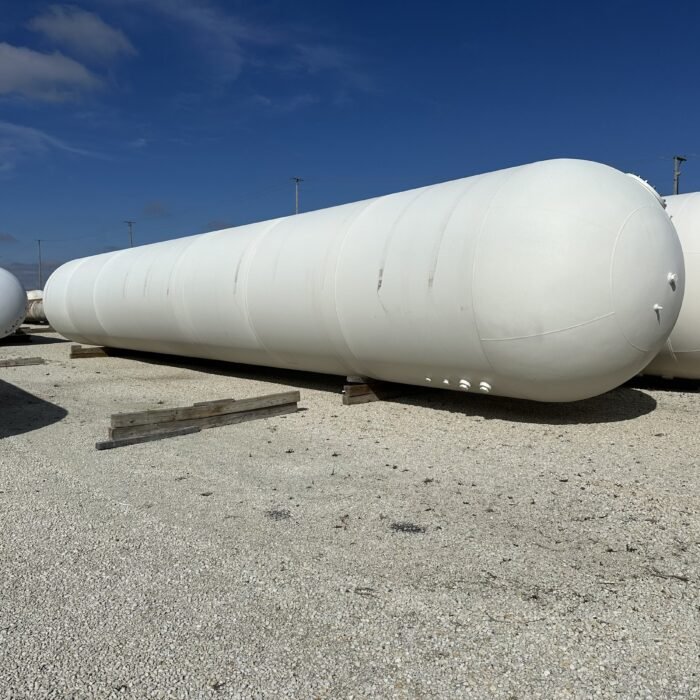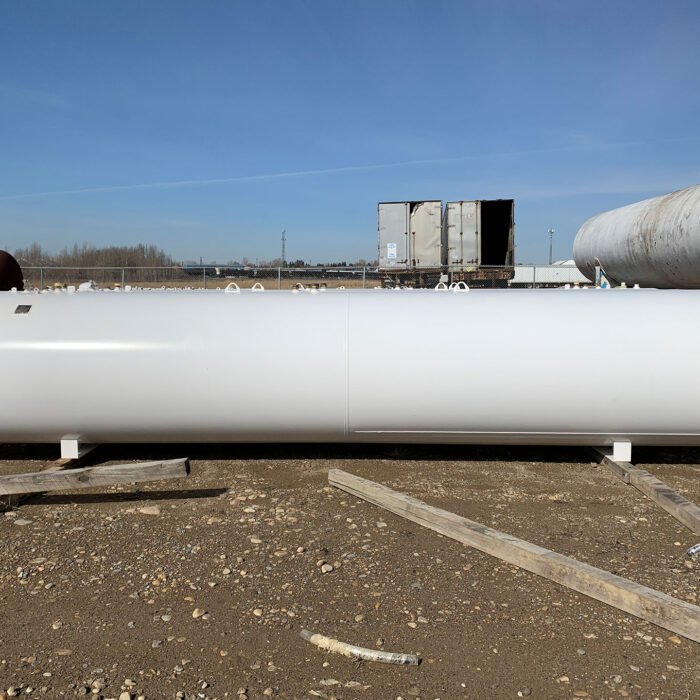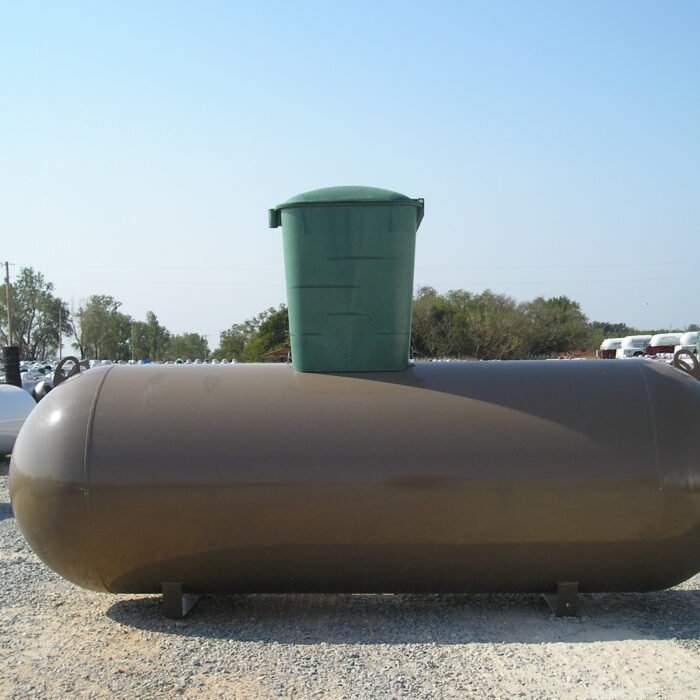
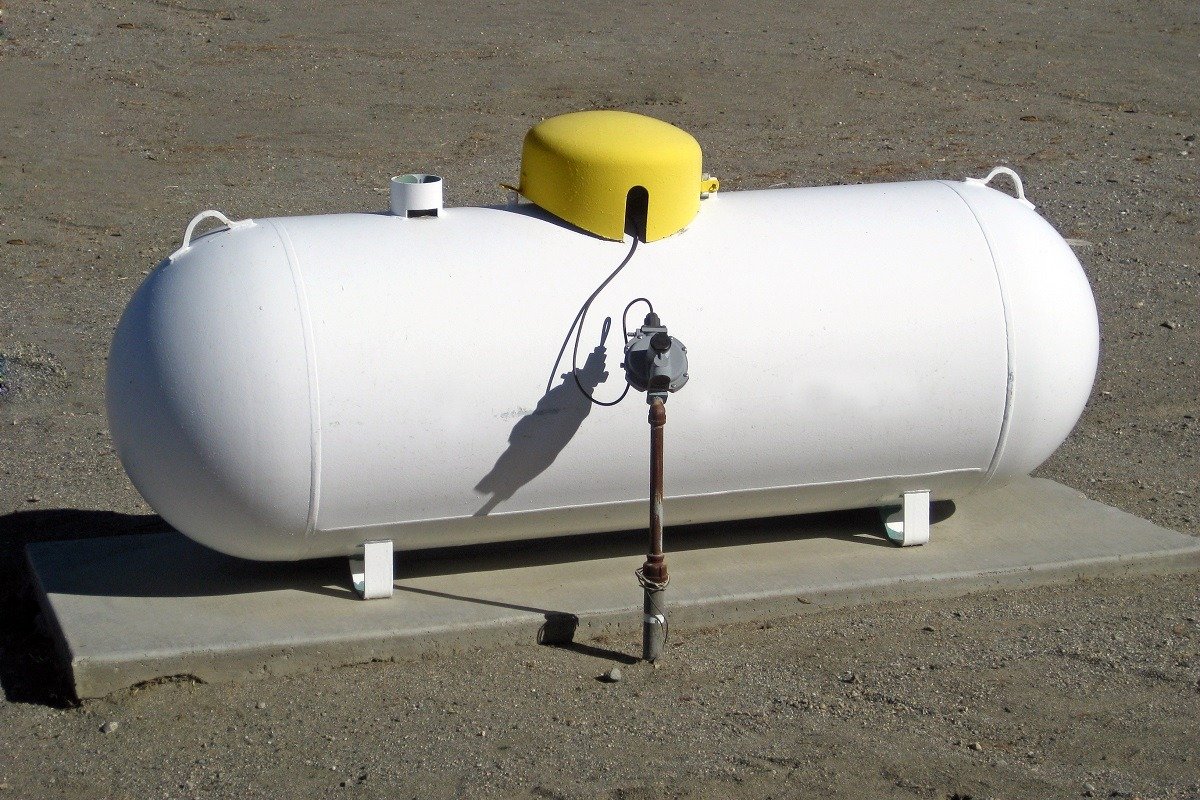
Description
Chosen when the load is real but the plot is not generous. It holds enough to make deliveries infrequent without taking the garden.
Common loads are space heating plus hot water in a smaller property, or a seasonal cabin kept on year-round supply.
Filled to the 80% limit this vessel holds about 200 gallons of propane — roughly 18 million BTU, or about 848 lb of product. Against a steady 100,000 BTU/hr load that is roughly 8 days of continuous running before it needs refilling.
Against the 200 gallon it buys real headroom; against the 320 it saves footprint and pad. That trade-off is usually decided by the site, not the load.
Technical details
- Shell capacity: 250 gallons
- Working volume (80% fill): approximately 200 gallons
- Product weight when full: approximately 848 lb
- Stored energy when full: approximately 18 million BTU
- Installation: Above ground
- Certification: ASME and DOT stamped
- Condition: Confirmed on your invoice
- Fuel: Propane / LPG
Getting it on site
Siting above ground trades appearance for access. Everything that will ever need attention — valves, gauge, regulator, coating — stays within arm’s reach.
We supply and deliver; we do not install. A propane vessel must be set and commissioned by a licensed propane professional under NFPA 58 and your local code.
Certification and paperwork
Every vessel is stamp-verified and pressure tested before dispatch, and the data plate photograph and test record travel with the invoice.
We check the relief valve, the service and fill connections and the float gauge on every unit. These are the parts that fail first and the parts that matter most.
Refills and running costs
The economics of propane are mostly delivery economics. Storage that lets you take a full load when prices are low pays for itself faster than most owners expect.
Worth knowing before you buy
Buy the documentation, not just the steel. A vessel without a legible stamp and a test record is worth a fraction of one with both, whatever the listing says.
Size against the real load, not the optimistic one. A vessel one size too small costs more across ten years of refills than the larger one did on the day you bought it.