Description
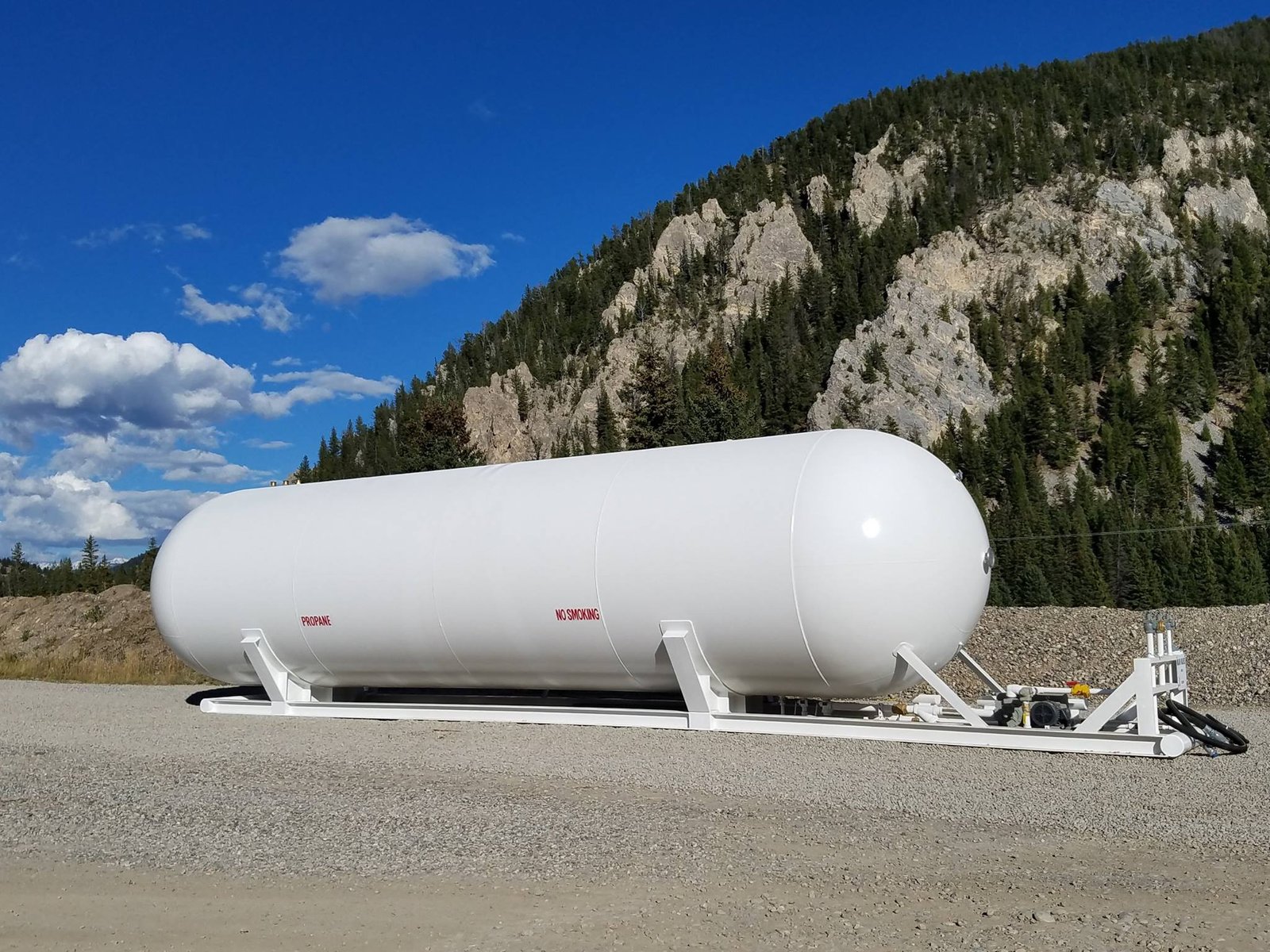
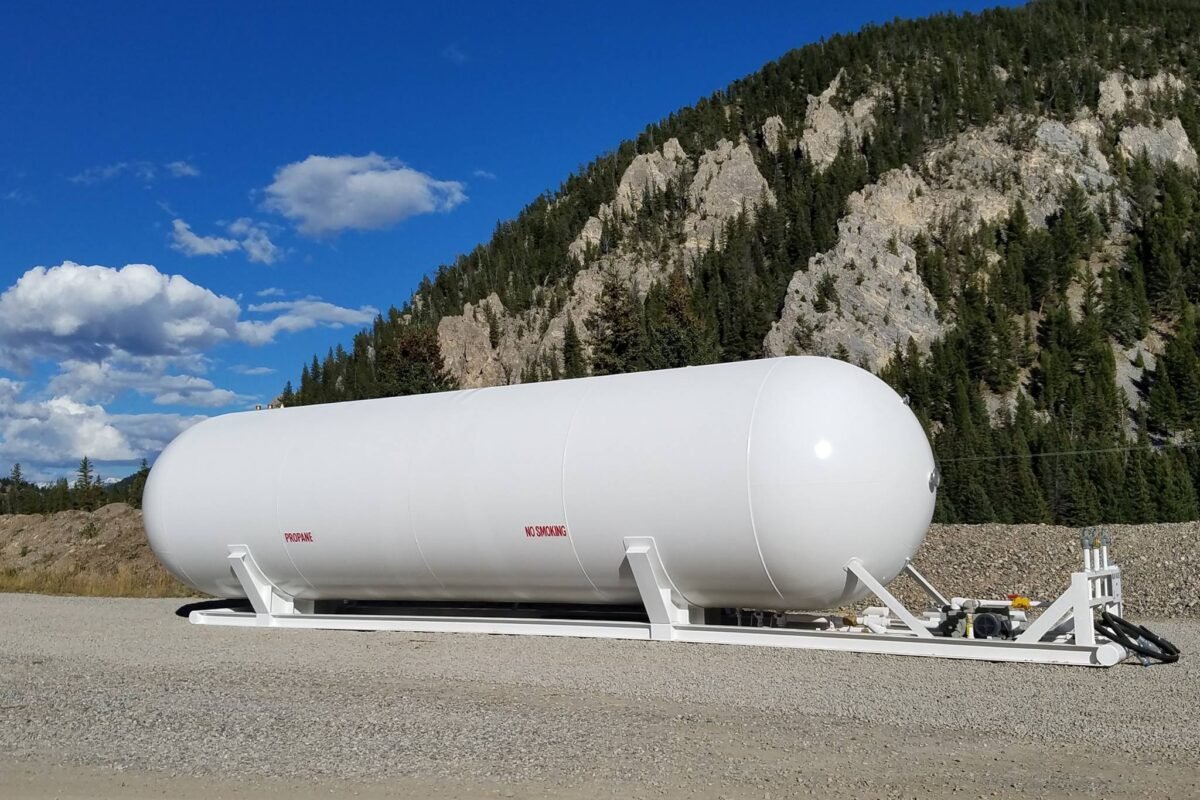
This is plant-scale storage — the class of vessel that sits behind a bulk plant, a distributor’s yard or a continuous process load.
It anchors a storage facility rather than serving a single load, with transfer equipment sized to match.
Filled to the 80% limit this vessel holds about 14,400 gallons of propane — roughly 1,318 million BTU, or about 61,056 lb of product. Against a steady 100,000 BTU/hr load that is roughly 549 days of continuous running before it needs refilling.
The next size down is 11,600 gallons and the next up is 20,000. Stepping up costs less than most people assume once freight is counted only once.
Key specification
- Total capacity: 18,000 gallons
- Usable propane at 80% fill: approximately 14,400 gallons
- Filled product weight: approximately 61,056 lb
- Energy content when full: approximately 1,318 million BTU
- Installation: Skid mounted
- Certification: ASME stamped
- Condition: Confirmed on your invoice
- Fuel: Propane / LPG
Getting it on site
The skid frame carries the vessel and its fittings as a single lift. That matters on sites where a permanent foundation is not wanted, or where the storage has to follow the work.
Setting and commissioning must be done by a licensed propane professional in line with NFPA 58 and local code. Ask us if you need a name in your area.
What you receive
We verify the stamp and pressure test the vessel before it leaves the yard, and the paperwork for your exact unit goes out with the order.
The gauge and the relief valve get particular attention — an unreadable gauge causes bad decisions and a tired relief valve causes worse ones.
Running costs
Running a tank down to the reserve costs money twice: emergency delivery rates, and the risk of an interruption at the worst possible time.
Before you commit
Size against the real load, not the optimistic one. A vessel one size too small costs more across ten years of refills than the larger one did on the day you bought it.
Check your local clearances before ordering. Setback distances from buildings, boundaries and ignition sources are set by code and they decide where — and sometimes whether — a given capacity can go.