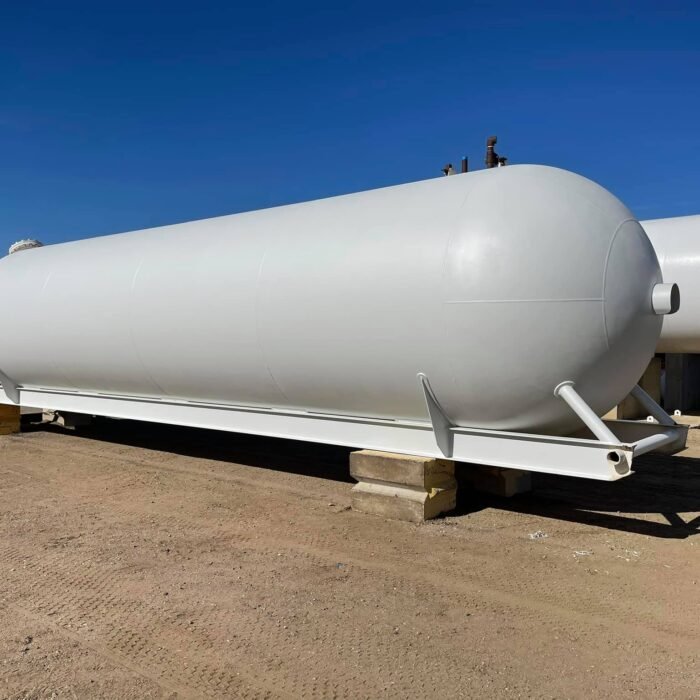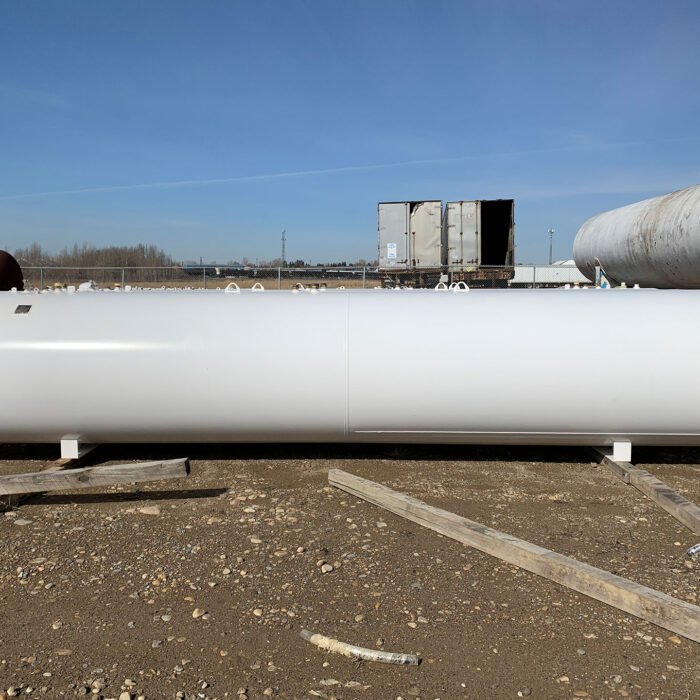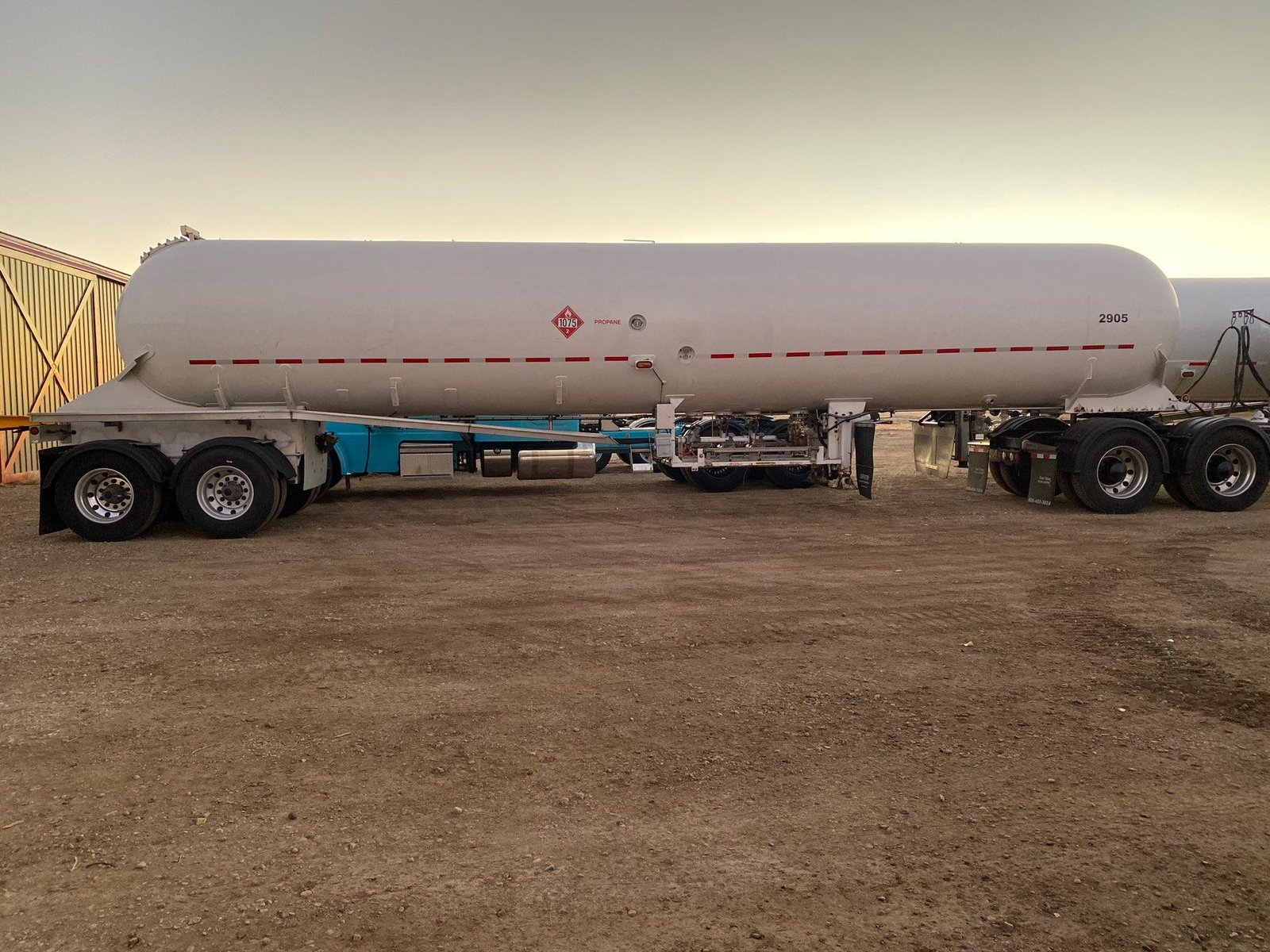
Description
This is the scale at which propane storage becomes a commercial operation in its own right rather than a supply arrangement.
Specified for storage and distribution operations where throughput, not consumption, sets the capacity.
Filled to the 80% limit this vessel holds about 9,280 gallons of propane — roughly 849 million BTU, or about 39,347 lb of product. Against a steady 100,000 BTU/hr load that is roughly 354 days of continuous running before it needs refilling.
The next size down is 10,000 gallons and the next up is 18,000. Stepping up costs less than most people assume once freight is counted only once.
Specifications
- Rated water capacity: 11,600 gallons
- Fillable volume: approximately 9,280 gallons
- Product weight when full: approximately 39,347 lb
- Energy content when full: approximately 849 million BTU
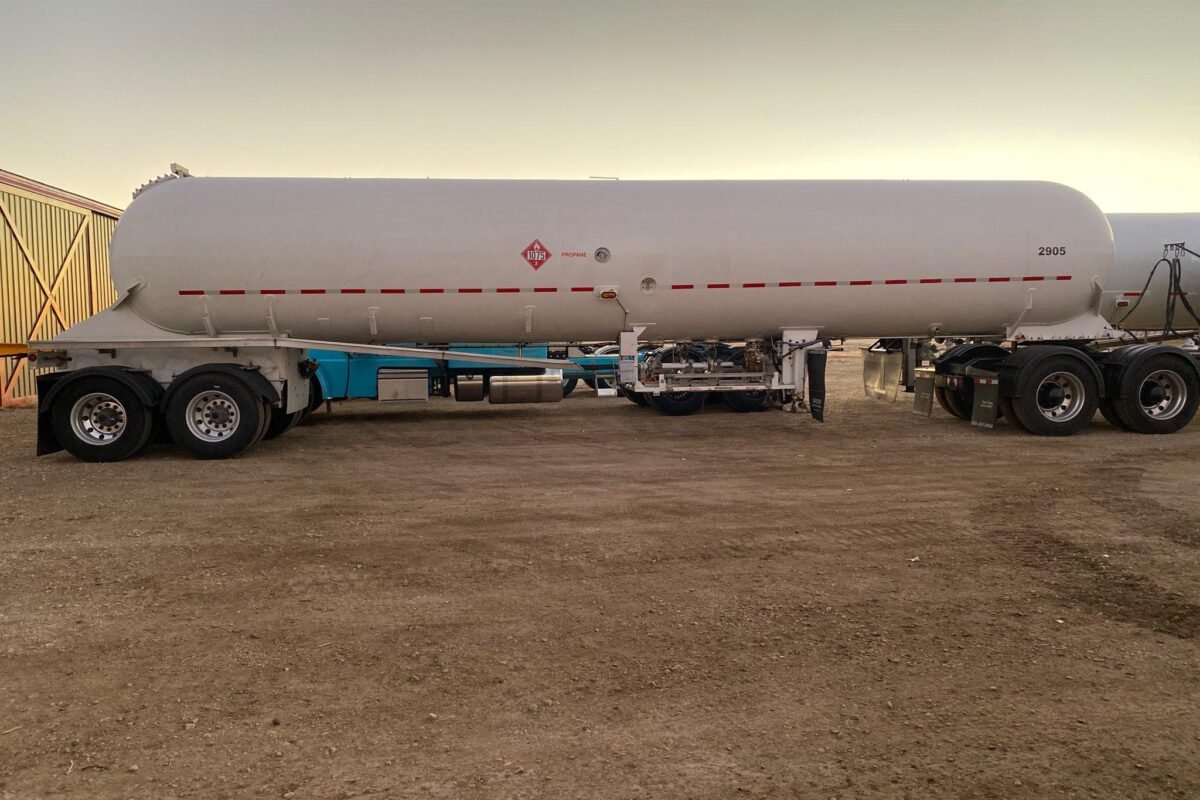
- Installation: Road transport
- Certification: ASME stamped
- Condition: Confirmed on your invoice
- Fuel: Propane / LPG
Installation and siting
Road service means periodic inspection on a transport schedule and documentation that travels with the unit. It is an operating asset, not an installation.
Our responsibility ends at the delivery; a licensed propane contractor takes it from there. Codes on siting, clearances and commissioning are not optional and not ours to sign off.
What you receive
Each unit is checked, tested and photographed before dispatch, so what arrives is provably the vessel that was inspected.
Service valve, fill valve, relief valve, float gauge and vapour connection are all checked before dispatch, and anything that does not pass is replaced rather than nursed along.
Refills and running costs
Owning the tank rather than leasing it means you choose the supplier. That single change is usually worth more over five years than the difference in purchase price between capacities.
Worth knowing before you buy
If you are between two capacities, go up. A tank that never drops below about 30% refills more cheaply per gallon and spends less of its life on the supplier’s emergency list.
Think about the delivery vehicle as well as the tank. A site a bulk truck cannot reach turns a cheap refill into an expensive one for the rest of the tank’s life.