Description
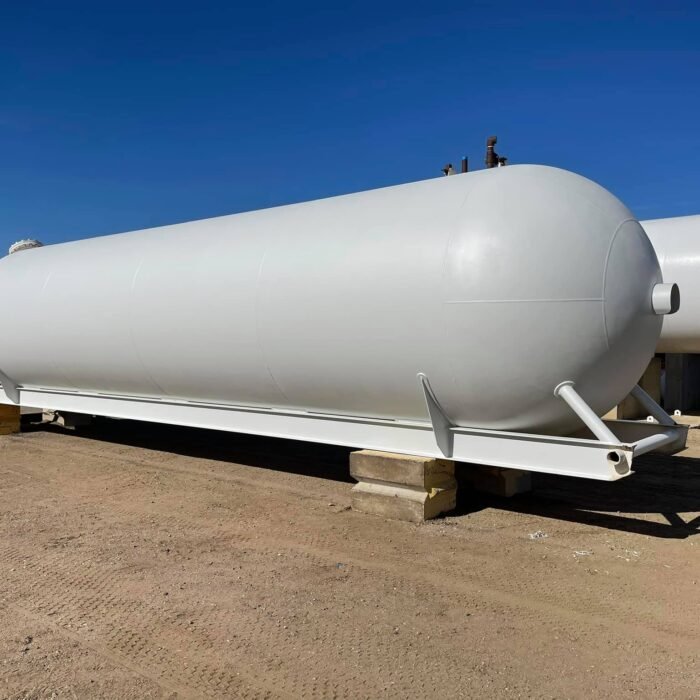
The standard domestic bulk tank. Heat, hot water, cooking and a dryer on one vessel, refilled a couple of times a year rather than monthly.
Heating, hot water, cooking and laundry together — the full domestic load without rationing.
Filled to the 80% limit this vessel holds about 400 gallons of propane — roughly 37 million BTU, or about 1,696 lb of product. Against a steady 100,000 BTU/hr load that is roughly 15 days of continuous running before it needs refilling.
The next size down is 330 gallons and the next up is 1,000. Stepping up costs less than most people assume once freight is counted only once.
Key specification
- Rated water capacity: 500 gallons
- Usable propane at 80% fill: approximately 400 gallons
- Product weight when full: approximately 1,696 lb
- Heat content at full fill: approximately 37 million BTU
- Installation: Underground (buried)
- Certification: ASME stamped
- Condition: Confirmed on your invoice
- Fuel: Propane / LPG
Getting it on site
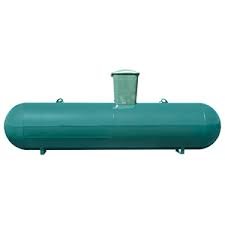
The reason to bury a tank is almost always the site rather than the tank: setback distances, sightlines, or a plot that cannot give up the space. Done properly, a buried vessel outlasts a surface one because it never sees UV or frost.
We supply and deliver; we do not install. A propane vessel must be set and commissioned by a licensed propane professional under NFPA 58 and your local code.
What you receive
Whether new or certified used, nothing ships without a live stamp, a passed pressure test and the documentation to prove both.
All connections are inspected and protected for transit, so the installing contractor starts with clean threads and a working gauge.
Cost of ownership
Larger vessels are cheaper to fill per gallon because suppliers price on delivery efficiency. A part-load top-up costs more per gallon than a bulk fill, every time.
Worth knowing before you buy
Order ahead of the season if you can. Everyone specifies propane storage in the first cold week, and that is the worst week to be waiting on freight.
Buy the documentation, not just the steel. A vessel without a legible stamp and a test record is worth a fraction of one with both, whatever the listing says.