Description
Modest capacity, but enough to take one appliance off the swap-and-return cycle for a useful stretch of the year.
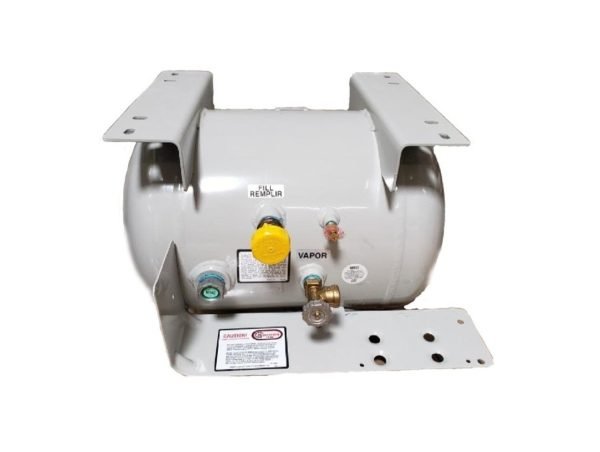
Typical loads are a single grill, a patio heater, a camper fridge or a food-truck griddle.
Specifications
- Installation: Underground (buried)
- Condition: Confirmed on your invoice
- Fuel: Propane / LPG
Installation and siting
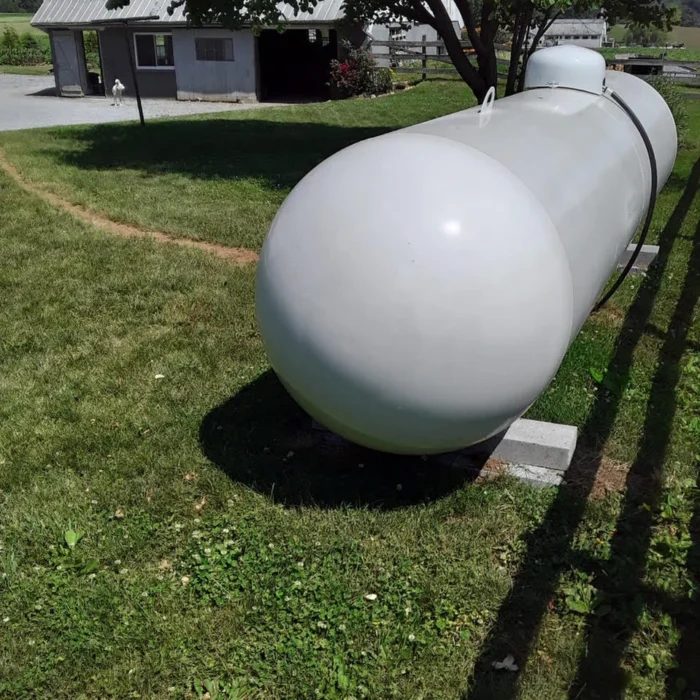
The reason to bury a tank is almost always the site rather than the tank: setback distances, sightlines, or a plot that cannot give up the space. Done properly, a buried vessel outlasts a surface one because it never sees UV or frost.
Have a licensed propane professional lined up before the vessel arrives. Permits, setbacks and the commissioning test all sit with them, and scheduling is easier before the tank is on the ground.
Condition and certification
The exact condition and specification are confirmed in writing before you pay, along with the test record for the vessel itself.
The gauge and the relief valve get particular attention — an unreadable gauge causes bad decisions and a tired relief valve causes worse ones.
Before you commit
Order ahead of the season if you can. Everyone specifies propane storage in the first cold week, and that is the worst week to be waiting on freight.
Check your local clearances before ordering. Setback distances from buildings, boundaries and ignition sources are set by code and they decide where — and sometimes whether — a given capacity can go.