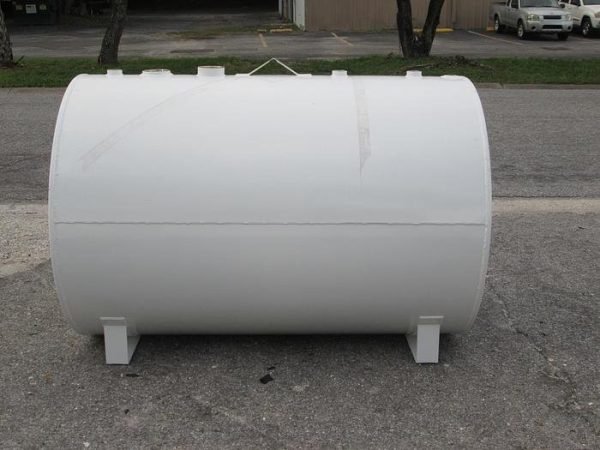
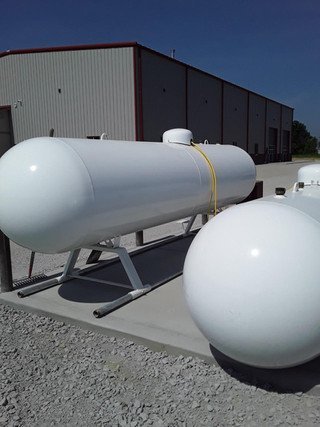
Description
A vessel this size changes how a property buys propane: bulk deliveries, better pricing, and a long buffer against supply interruption.
It carries a large domestic load, a commercial kitchen, a workshop heater bank, or grain and crop drying through a season.
Filled to the 80% limit this vessel holds about 1,200 gallons of propane — roughly 110 million BTU, or about 5,088 lb of product. Against a steady 100,000 BTU/hr load that is roughly 46 days of continuous running before it needs refilling.
In our range it sits between the 1,150 gallon and the 2,000 gallon. If the load is borderline, the 2,000 is the safer buy and the freight is the same either way.
Key specification
- Rated water capacity: 1,500 gallons
- Propane held at the 80% fill limit: approximately 1,200 gallons
- Filled product weight: approximately 5,088 lb
- Heat content at full fill: approximately 110 million BTU
- Installation: Underground (buried)
- Certification: ASME stamped
- Condition: Confirmed on your invoice
- Fuel: Propane / LPG
Siting and installation
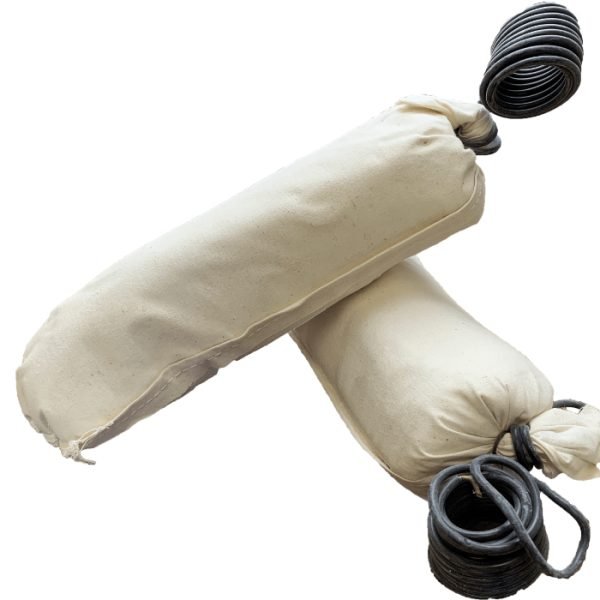
Going underground buys back the yard. The vessel is supplied coated for burial, with a riser bringing the service valves and gauge up to a dome at ground level, and a magnesium anode bag protecting the shell against soil corrosion.
This is supplied as equipment, not as an installed service. NFPA 58 and your local authority govern how and where it may be set.
Condition and documentation
The exact condition and specification are confirmed in writing before you pay, along with the test record for the vessel itself.
Valves and fittings are inspected as a set. A vessel goes out with a working gauge and a relief valve in date, or it does not go out.
The economics
Running a tank down to the reserve costs money twice: emergency delivery rates, and the risk of an interruption at the worst possible time.
Before you order
Ask what the regulator and first-stage arrangement will be. The tank is only half the specification, and the wrong regulator will starve appliances the vessel could easily supply.
If you are between two capacities, go up. A tank that never drops below about 30% refills more cheaply per gallon and spends less of its life on the supplier’s emergency list.